

Helle Knives - Guape - Triple Laminated Stainless Steel - Traditional Field Knife - Made in Norway
Product Description
Helle Knives - Guape - Triple Laminated Stainless Steel - Traditional Field Knife - Made in Norway
- Handmade in Holemdal, Norway since 1932.
- Blade | Triple laminated stainless steel. Two layers of tough stainless steel(18/8) protect the blade against breakage and corrosion, while the high carbon core provides a superb cutting edge. This triple laminated stainless steel is unique to our knife blades.
- Handle Material | Curly birch.
- Handle Length = 4.3"(115 mm). Blade Length = 4.2"(107 mm). Blade Thickness = .12"(3.1 mm).
- Genuine Leather Sheath Included. Designed by Helle in 2011.
FEATURES:
- Sandvik 12C27 stainless steel blade
- Curly birch wood handle
- Helle design
- Genuine leather sheath
Good craftsmanship requires the ability to create handle shapes which are consistent with the blade, fit comfortably in the hand, and add character to the knife. In most handles, we use the hard and beautifully structured wood of curly grained birch, alone or in combination with matching materials, such as leather and stag horn.
A painstaking process of grinding, polishing and oiling is performed to offer full justice to the natural beauty of these materials. Because we use natural materials in our handles, each Helle knife has its own unique look. A knife is more than just a blade, and a Helle knife is a true work of art.
The Sheath - the Nordic way
Quality is of utmost importance to A/S Helle Fabrikker, and we apply the same criteria to our sheaths as we do to our knife blades and handles. Good craftsmanship and the perceptible quality of the materials used, make for a sheath which is both strong and attractive. Like our knives, our sheaths are designed to be functional and durable. At the same time, we demand that all sheaths match the beauty and character of the knives that they encase.
Our sheaths are made of specially tanned leather, and treated with saddle grease for increased lustre and durability. The particular shape of the Norwegian sheath bears evidence of long-time functional development and at the same time, it enhances the quality of the kn
Technical Specifications
You might also like

Helle GT Outdoor Hunting Knife, 9 Inches

Helle Viking Knife

Helle Futura Knife One Size

überleben Zünden Fire Starter | 5/16”, 3/8” or 1/2” Thick Bushcraft Fire Steel with Handcrafted Wood Handle | 12,000-20,000 Strikes | Traditional Survival Ferro Rod | Neck Lanyard | Trad 5/16"
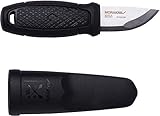
Morakniv Eldris Fixed-Blade Pocket-Sized Knife with Sandvik Stainless Steel Blade and Plastic Sheath, Black, 2.2 Inch

Helle Fossekallen Knife

Husqvarna 26" Wooden Multi-Purpose Axe

Buck Knives 0120BRS GENERAL Cocobola Dymondwood Fixed Blade Knife with Genuine Leather Sheath

Helle Arv Knife

Morakniv Kansbol Fixed Blade Knife with Sandvik Stainless Steel Blade and Plastic Sheath, 4.3-Inch